

AV Interview: Blake Augsburger, LEA Professional
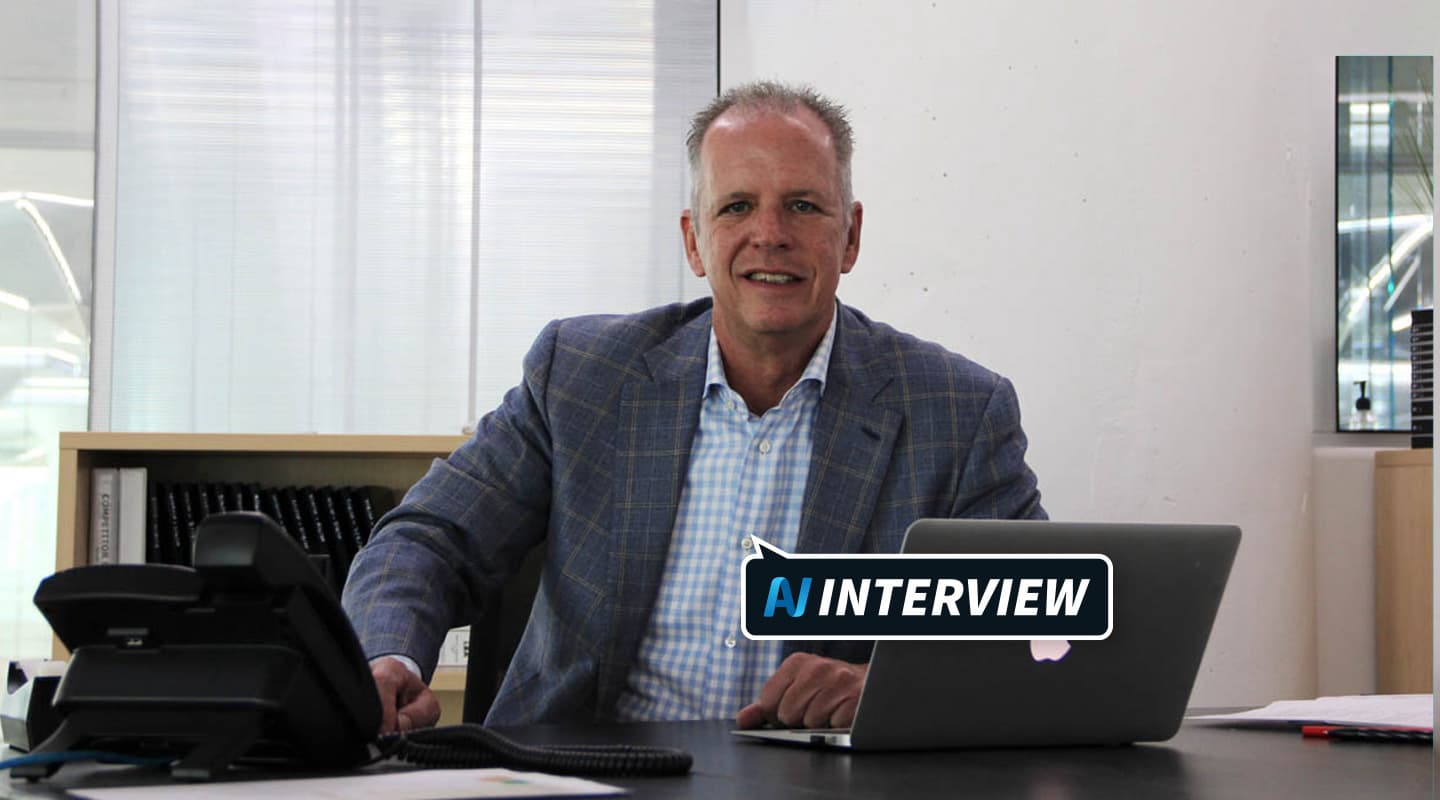
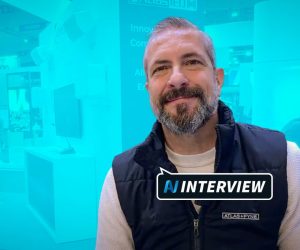
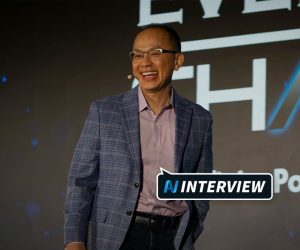
AV.technology editor Christopher Holder caught up with LEA Professional boss Blake Augsburger at the new ADI offices in Sydney just prior to the Integrate expo.

16 November 2026
LEA Professional made an immediate splash. It distinguished itself as a smart and connected amp manufacturer for commercial applications with one of the first cloud-based management platforms. Interestingly, the residential market wasn’t on the startup’s whiteboard strategy but covid intervened.
Blake Augsburger: When we started, we were very focused on commercial audio. The goal was to move from commercial into pro, which is my background. We launched our first product at ISE 2020, and one month later covid hit. We scrambled to figure out how to survive and pivoted into residential. That’s how we started in residential. Our product worked very well with whole-home audio and outdoor audio – poolside and backyard systems.
Another selling feature is the way the product looks. We do a lot of large residential installations where the rack is behind glass downstairs. The owner will take his buddies down to show them his great AV system, and LEA looks phenomenal through a glass rack. That’s also helped us. We’re doing medium and large residential jobs, including some very prestigious ones.
AV.technology: Why are you such a good fit for those medium-to-large jobs?
Blake Augsburger: With eight channels it’s easy to manage large zones. With our software we can group those zones. We interface really nicely with Control4, for example. We have an open API structure so we can talk to Crestron Home, Extron and others. Our speaker library has tunings for just about any loudspeaker on the market. We’re also very close with True Audio, which is also in the residential space. A lot of pieces come together to make it a nice fit on a residential side.
AV.technology: Your background is with Crown and Harman, and you’re an engineer by training. Just to put your engineering hat on: Class-D amplification used to sound pretty awful; now it routinely sounds good. Is it fair to say that all Class-D sounds great now?
Blake Augsburger: The difficult part is the switching power supply – that’s where all the work is. As devices have improved, that’s where you get rid of a lot of the noise and achieve better signal-to-noise performance. That’s what makes it sound so good.
When we develop an amplifier, most of the hard work is in that switching power supply, the PFC, and the output section. The output section is relatively straightforward and the PFC can be somewhat standardised, but the switching power supply controller is the most difficult part. Nowadays a lot of that is firmware – managing the microprocessor that controls the switching. Because all our products are high-Z and low-Z, we run very high rails, so the design is not trivial. You can hear the difference based on how well that part is executed.
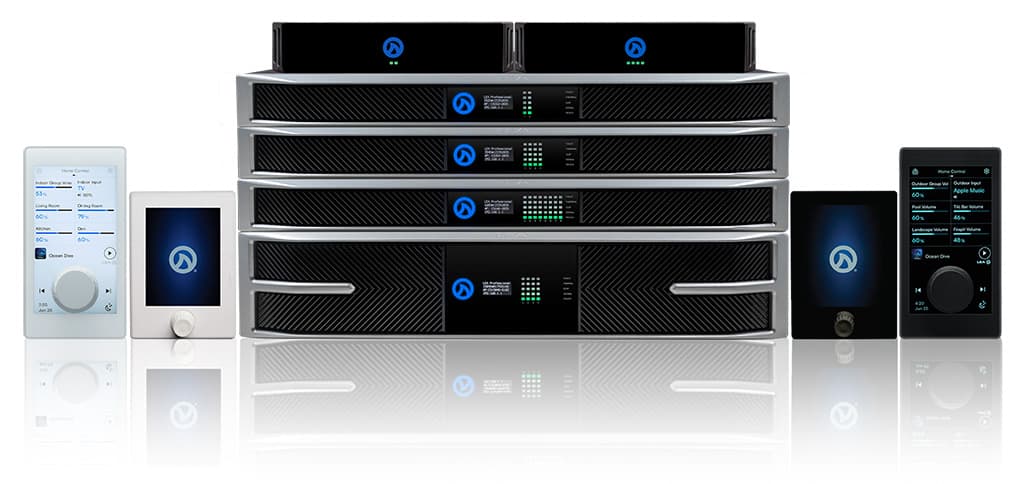
AV.technology: Power density is a big deal these days – how much power you can squeeze into a single rack unit. You have eight channels potentially in one RU. What’s the clever IP?
Blake Augsburger: It’s tricky from a thermal perspective. The goal is to make it as efficient as possible so it doesn’t produce a lot of heat, but it’s still going to produce heat, and then you have to get that heat out of the box. That’s the challenge with one rack space.
Our depth is pretty standard. Some competitors have deeper products because they’re trying to get the heat out. When we move to our 4 × 1500W and 4 × 3000W models – those are 10 and 15 kilowatt switching power supplies – we go to two rack spaces. We could do it in one, but it’s easier and more reliable to get the heat out in two. Reliability in professional applications is hugely important.
In the old days with transformer-rectified designs you needed two or three rack spaces because of the big transformer. Now with switching power supplies you can make them small, but you still have to get the heat out.
AV.technology: Beyond the power rating, which amp spec do you believe contributes most to sound quality?
Blake Augsburger: Again, you come back to the switching power supply and the distortion in that part of the device.
The other challenge is on the front end, the PFC. We have to operate at up to 277V here in Australia and at 90V in Japan. Managing power across that wide input range and still delivering the same result on the output is a challenge. It’s handled in the power-factor-corrected (PFC) stage, which manages the voltage swings on the input.
AV.technology: One of the key factors in your launch was that your amplifiers were smart right out of the gate – networked and remote-managed. Can you talk about where amplifiers fit in the AV network space and the work you’ve done to make them so capable?
Blake Augsburger: When we started the company that was our differentiator: we wanted to bring IT features to an amplifier. We worked hard on being able to control it remotely over the cloud. Those were primary objectives from day one.
All of our software is open architecture, so we’re able to build APIs easily to talk to any device. The goal was never just to make an amplifier; it was to create an ecosystem. You’ll start to see other pieces build into that ecosystem over time, but you can’t do that without the IT features we brought to market.
Being able to load speaker tunings automatically so the integrator can download the tuning, turn it on and ideally have it sound perfect first time is a big deal. These features make installations easier and more consistent. We do a lot of chain rollouts – Joe & The Juice was a big one for us last year. They wanted the same installation and the same audio experience in every store across Europe. We did 300 of them. With the speaker tunings and the APIs that connect to Crestron Home or Control4, everything is exactly the same.
We’ve expanded that into the software so you can work remotely or offline, upload configurations, and copy and paste them as many times as you need. You can also monitor over the cloud. If there’s a problem, the cloud can tell you which amp, which install, which channel, and what speaker is on that channel, so when the technician goes out they take the right part with them. In the old days they’d have to diagnose on site and often come back the next day. Driving back and forth costs money.
The whole idea was to use IT to make systems easier to set up, easier to operate and cheaper to maintain — and potentially open a recurring-revenue model for integrators who can offer 24-hour uptime or response times because the cloud tells them when something needs attention. That was our goal and our differentiator from day one. Without it, what’s the difference between us and anyone else? Maybe my amp sounds better, but only a handful of people can hear that difference. That was my hook.
AV.technology: You mentioned other things that could be added into that IoT ecosystem. Looking a little over the horizon, where does that head?
Blake Augsburger: If you look at an audio system signal chain – microphone to mixing console to one or more DSP boxes, then to the amplifier and finally the loudspeaker – if you can somehow reduce all those electronics into one place, you’re the winner of the game. That’s the vision.
It’s a live-sound model, but it’s the same on the installation side. There are a lot of different boxes. Our amps already do a lot of signal processing. We have a mixer in the amp so we can mix and route small venues. We’re not Q-SYS or Symetrix, but we can handle five or 10 rooms. We’re putting more and more intelligence into the amplifier to lower the total cost of the install.
In today’s market you have to make systems easier to design, easier to monitor, more reliable and more cost-effective. That cost-effective piece is what we’re chasing.


RESPONSES